From: Shenzhen Daily | Updated:2025-12-08
Yantian District features ancient geology, diverse coastal and marine resources, and abundant wildlife.
The district’s bedrock is predominantly granite, and soils are mainly lateritic red soil with low organic matter and high sand content. Mountain soils are generally thin with a limited humus layer. High soil salinity and certain organic components in parts of Yantian affect soil shear strength, an important factor for engineering and land use.
Yantian’s coastline is scenic and well-suited for marine uses: the coastal promenade stretches 19.5 km, with beaches, islands, sea cliffs and reef features. The offshore area is deep and suitable for deep-water port construction.
Fisheries resources are plentiful. The local waters support many valued fish species (including carp, snakehead, and various small pelagic and demersal fishes) as well as shrimp, crab, shellfish, and seaweeds.
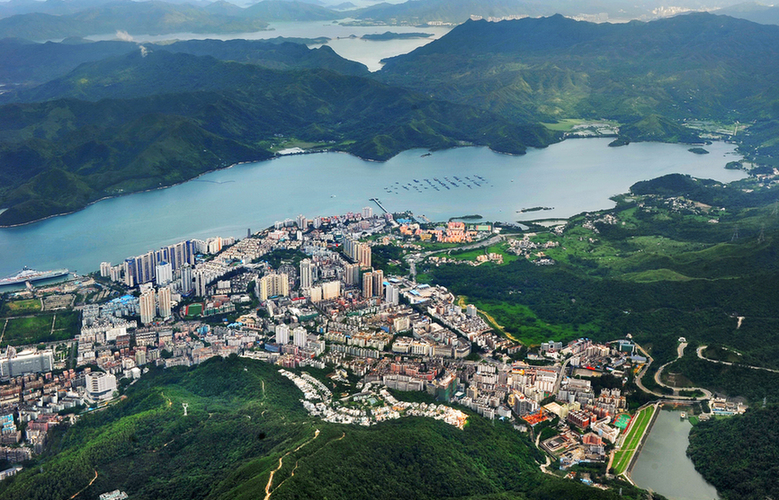
As of 2024, the forest area in Yantian totals 4,686.62 hectares. The district’s mountainous areas host a rich array of vascular plants, with a strong tropical component. Common plant families include Lauraceae, Theaceae, Myrtaceae, and others. Typical tropical groups such as mangrove families and palms are also present.
Wildlife is likewise diverse. Protected and notable species reported in the district include pythons, kites, red-bellied hawks, and small civets, among others.
Yantian’s combination of distinctive soils, a richly endowed coastline, and significant biological diversity gives the district important ecological, economic, and conservation value.
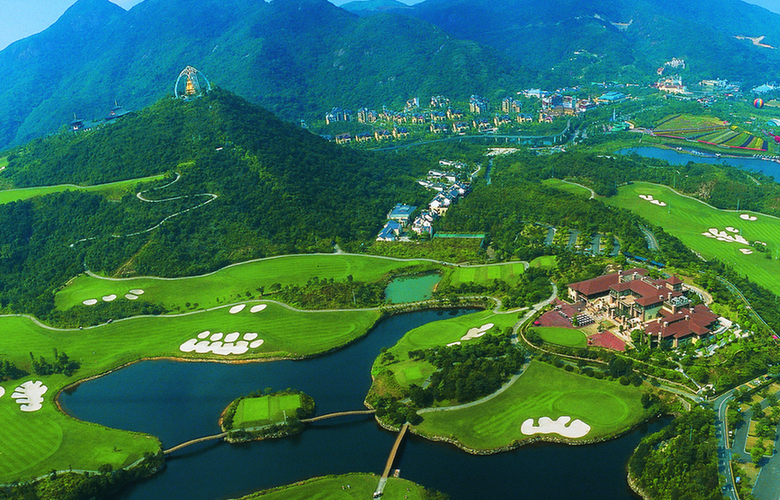
The area’s generally low soil fertility and local salinity issues present constraints for certain land uses, while abundant marine and forest resources offer strong potential for sustainable development, fisheries, eco-tourism, and biodiversity protection.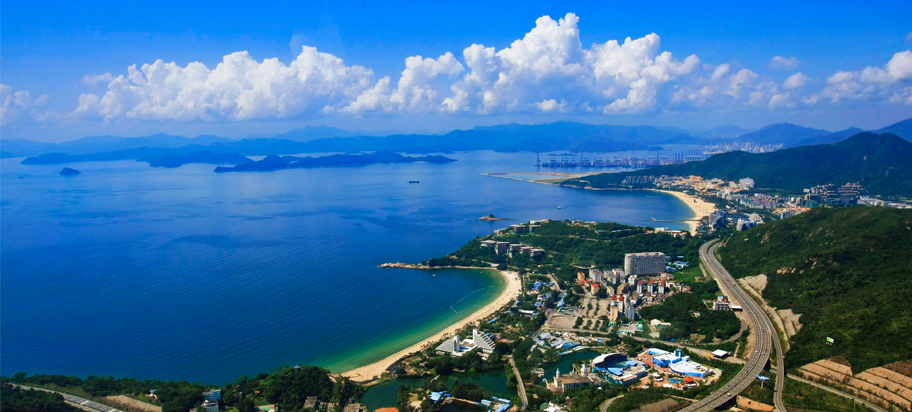


 Overview
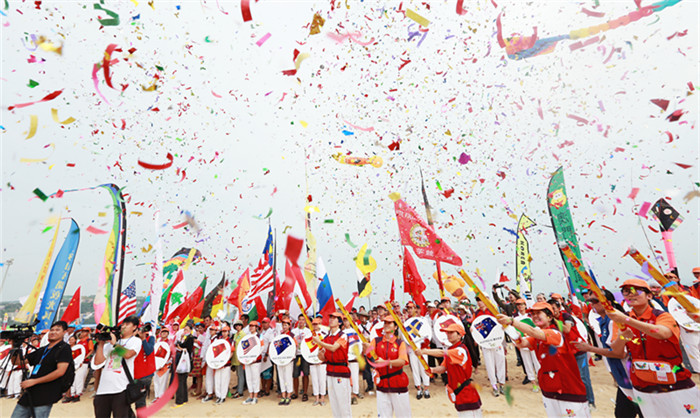
 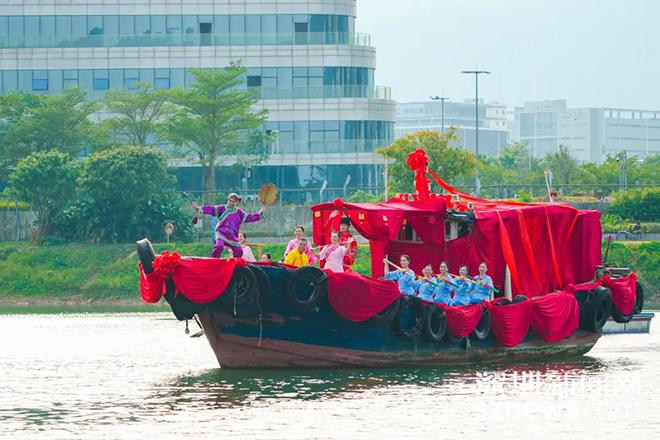 Yantian Tanka Cultural Festival
 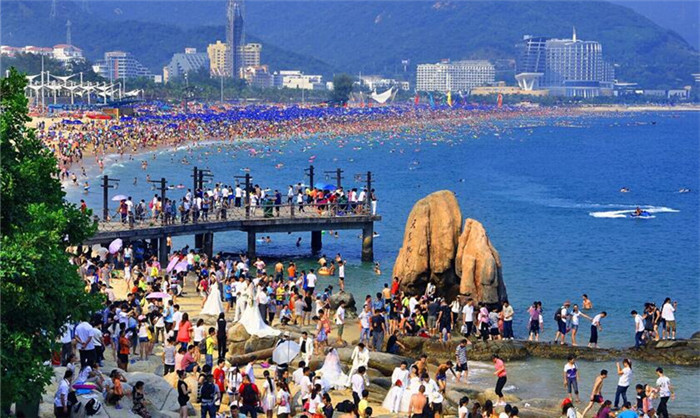 Shenzhen Golden Coast Tourism Festival
 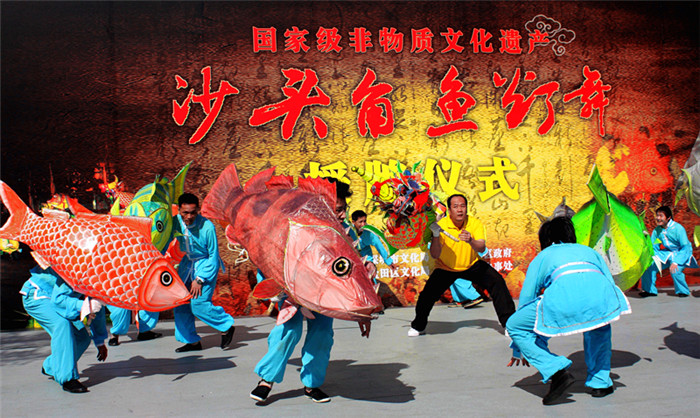 Shenzhen Shatoujiao Fish Lantern Festival